Workforce Development Programs for AI Skills: 20 Ideas to Get Your Agency Started

The artificial intelligence revolution is reshaping how government agencies operate. Yet most public sector employees lack the foundational AI skills needed to leverage these transformative tools. This skills gap threatens to widen the divide between government capabilities and citizen expectations.
The good news? Proven workforce development programs exist right now. Federal guidance, innovative fellowship models, and structured training pathways offer practical solutions for agencies ready to invest in their teams.
This guide delivers 20 actionable ideas to build AI literacy across your organization. These programs align with existing workforce development frameworks while addressing the unique needs of government operations.
WHY AI WORKFORCE DEVELOPMENT MATTERS NOW
Government digital transformation depends on people, not just technology. Agencies cannot simply purchase AI tools and expect results. Success requires employees who understand how AI works, recognize its limitations, and apply it ethically within their roles.
The Office of Personnel Management reports that federal agencies face critical talent shortages in data science, AI, and emerging technologies. State and local governments face similar challenges. Meanwhile, AI adoption accelerates across private sector organizations, creating competitive pressure for top talent.
Workforce development programs address this challenge directly. They build internal capacity, reduce reliance on expensive contractors, and create career pathways that retain talented employees. Investment in AI skills training delivers measurable returns through improved service delivery, operational efficiency, and innovation capacity.
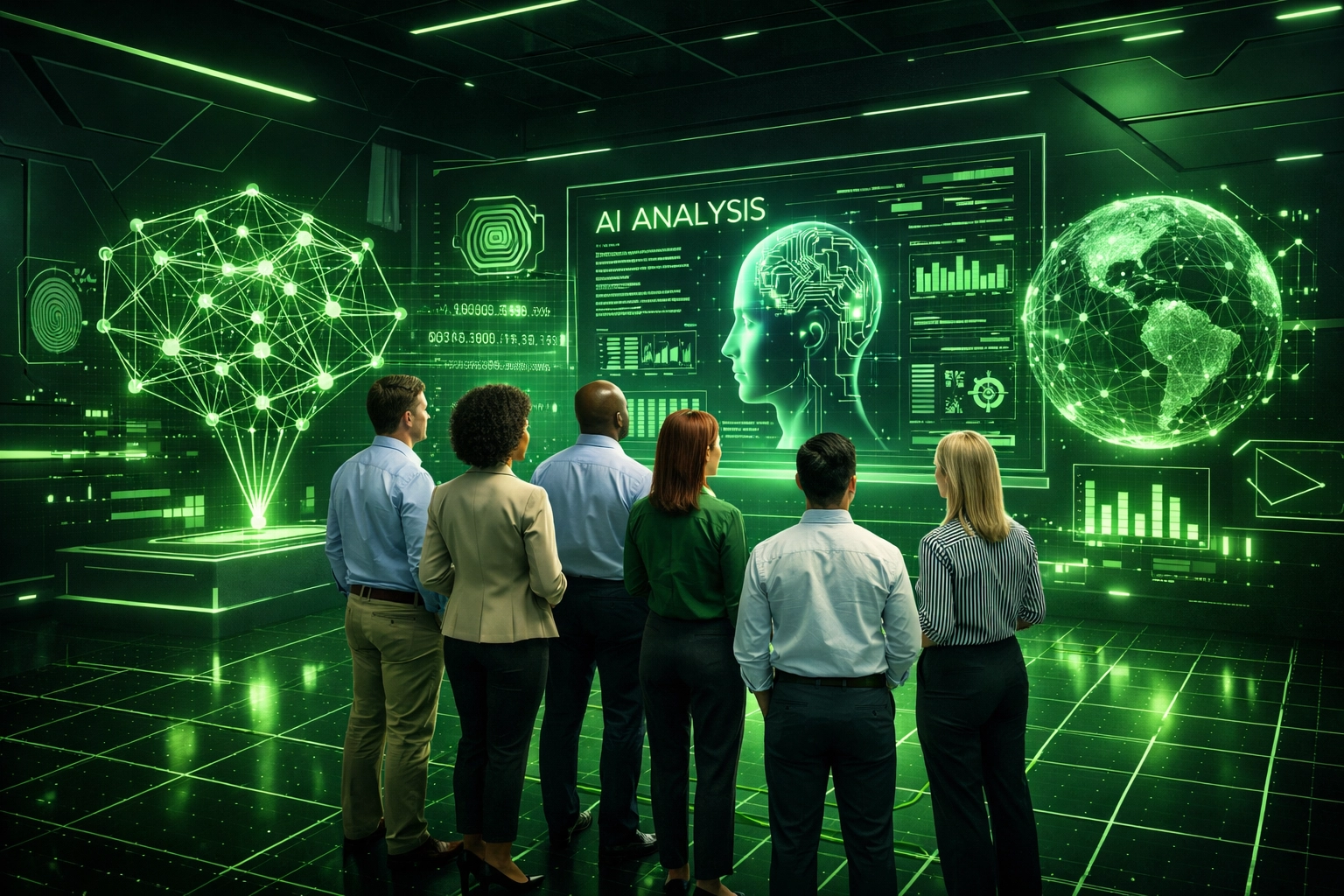
FOUNDATIONAL TRAINING PROGRAMS
1. AI Literacy Boot Camps
Launch intensive 2-3 week programs covering AI fundamentals. Focus on practical applications relevant to government work. Include modules on machine learning basics, natural language processing, and predictive analytics.
2. Executive AI Leadership Series
Design specialized training for senior leaders and decision-makers. Address strategic planning, budget considerations, and policy implications. Prepare executives to guide agency-wide AI adoption with confidence.
3. AI Ethics and Governance Workshops
Implement mandatory training on responsible AI use. Cover bias detection, fairness considerations, transparency requirements, and accountability frameworks. Align content with federal AI guidelines and agency-specific policies.
4. Prompt Engineering Fundamentals
Offer practical courses teaching employees to interact effectively with generative AI tools. Focus on crafting precise prompts, evaluating outputs, and iterating for better results. This skill delivers immediate productivity gains.
5. Cybersecurity for AI Systems
Develop specialized training addressing AI-specific security considerations. Cover data protection, adversarial attacks, model vulnerabilities, and secure deployment practices. Partner with your cybersecurity team to create relevant scenarios.
FELLOWSHIP AND ROTATION PROGRAMS
6. U.S. Tech Force Partnerships
Leverage the federal U.S. Tech Force program to bring specialized AI experts into your agency. These 1-2 year fellowships provide immediate capability while building internal knowledge through knowledge transfer.
7. Internal AI Rotation Programs
Create cross-departmental rotation opportunities for employees interested in AI projects. Allow team members to work on AI initiatives for 3-6 months while maintaining their positions. This builds organizational capacity and identifies hidden talent.
8. Data Scientist Fellows Initiative
Establish a formal fellowship program attracting data science talent to government service. Offer competitive compensation, meaningful projects, and clear career progression. Target recent graduates and mid-career professionals seeking public sector impact.
9. Project Management for AI Fellows
Launch a specialized fellowship focusing on AI project management skills. Address unique challenges of managing AI initiatives including iterative development, stakeholder management, and technical-policy bridges.
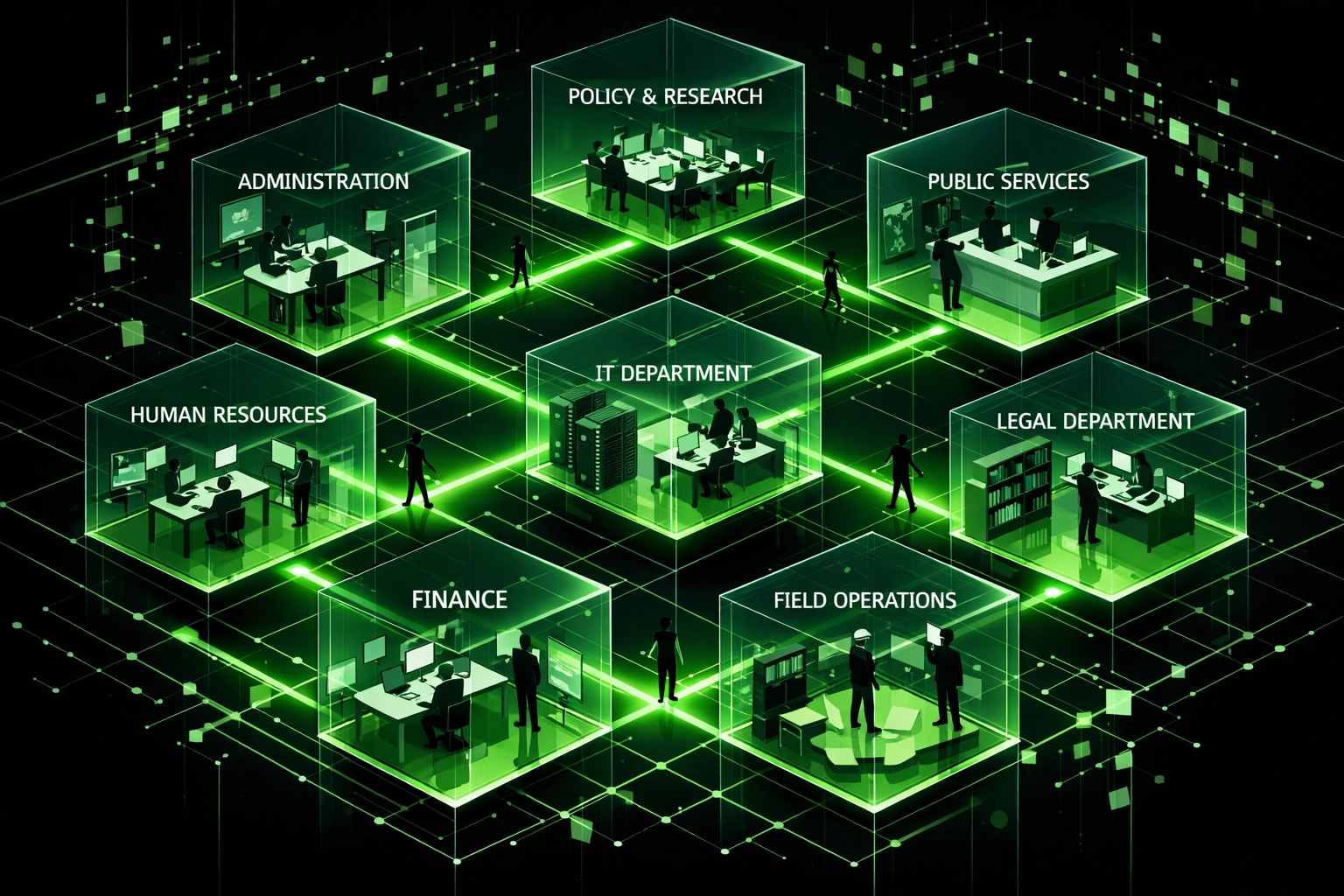
STRUCTURED LEARNING PATHWAYS
10. AI Career Ladders
Develop formal career progression frameworks for AI-related roles. Define clear competencies, skill requirements, and advancement opportunities. This structure attracts talent and encourages continuous learning.
11. Certification Sponsorship Programs
Fund employee pursuit of recognized AI certifications from accredited institutions. Support AWS Machine Learning certifications, Google Cloud AI credentials, or Microsoft Azure AI certifications relevant to your technology stack.
12. University Partnership Programs
Establish collaborations with institutions like Stanford HAI, GWU Law School, or Princeton CITP. Access cutting-edge research, tailored training programs, and potential recruitment pipelines. These partnerships enhance credibility and content quality.
13. Microlearning AI Modules
Deploy bite-sized training units employees can complete in 15-30 minutes. Cover specific AI concepts, tools, or techniques. This format accommodates busy schedules and promotes continuous learning habits.
WIOA-FUNDED INITIATIVES
14. Adult Education AI Programs
Utilize Workforce Innovation and Opportunity Act funding to support AI literacy training through adult education programs. Target career and training services for eligible individuals seeking to advance their government careers.
15. Dislocated Worker Retraining
Implement AI skills training for dislocated workers entering or re-entering the government workforce. This approach addresses staffing needs while supporting workforce stability in your community.
16. Youth AI Apprenticeships
Develop youth-focused programs incorporating AI skill building within occupational skills training elements. Create pathways for young talent to enter government service with relevant, modern capabilities.
17. Governor's Reserve Fund Projects
Access state governor's reserve funds from annual WIOA allotments to support specialized AI and digital literacy initiatives. These funds offer flexibility for innovative program design.
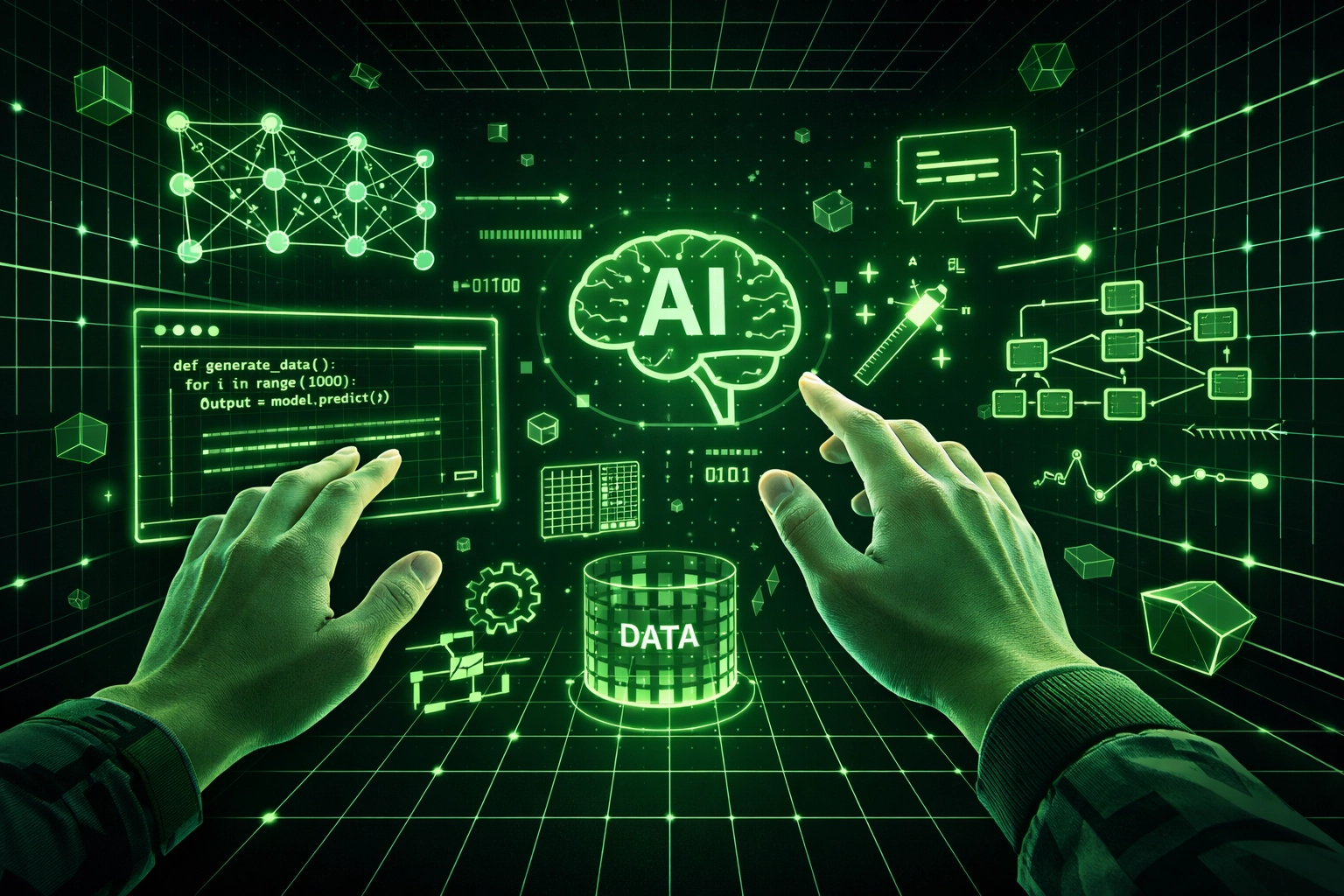
PRACTICAL IMPLEMENTATION PROGRAMS
18. AI Sandbox Environments
Create safe experimentation spaces where employees can explore AI tools without impacting production systems. Provide access to various AI platforms, datasets, and use cases. Learning by doing accelerates skill development.
19. Lunch-and-Learn AI Series
Host regular informal sessions where employees share AI use cases, challenges, and solutions. Invite external speakers, showcase internal projects, and foster community around AI innovation. These low-barrier events build momentum.
20. AI Champions Network
Identify and empower AI champions across departments. Provide these advocates with advanced training, resources, and support. They serve as first-line resources for colleagues and help drive grassroots adoption.
IMPLEMENTATION CONSIDERATIONS
Successful workforce development requires more than program selection. Agencies must address several critical factors to maximize impact and sustainability.
Secure Leadership Commitment
Executive sponsorship ensures adequate funding, staff time allocation, and organizational priority. Without visible leadership support, participation suffers and programs fail to achieve critical mass.
Align With Strategic Goals
Connect workforce development initiatives directly to agency mission and strategic objectives. Demonstrate how AI skills advance service delivery, operational efficiency, or other priority outcomes. This alignment sustains support through budget cycles.
Measure and Communicate Progress
Establish clear metrics for program success. Track participation rates, skill acquisition, project outcomes, and employee satisfaction. Share results regularly with stakeholders to maintain momentum and justify continued investment.
Address Barriers to Participation
Identify and remove obstacles preventing employee engagement. Common barriers include time constraints, technology access, supervisor resistance, and fear of change. Proactive problem-solving ensures broader participation.
Start Where You Are
Begin with pilot programs testing approaches before full-scale rollout. Learn from early results, adjust based on feedback, and expand successful initiatives gradually. This iterative approach reduces risk and builds confidence.
MOVING FORWARD
Government digital transformation demands workforce transformation. These 20 programs provide concrete pathways to build AI capabilities across your organization. Select initiatives aligned with your agency's maturity level, resources, and strategic priorities.
The investment in workforce development programs delivers compounding returns. Employees gain marketable skills, agencies build sustainable capabilities, and citizens receive better services. This triple benefit makes AI skills training one of the highest-value investments government leaders can make.
Ready to develop AI literacy in your agency? Cluster Technology Group delivers tailored workforce development solutions for government organizations. Our proven approach combines technical expertise with deep understanding of public sector requirements. Contact us to discuss your workforce development goals and explore how we can help build your agency's AI capabilities.